Published
- 5 min read
The Rebounder Revolution: How Mini Trampolines Are Transforming Home Fitness
The Rebounder Revolution: How Mini Trampolines Are Transforming Home Fitness
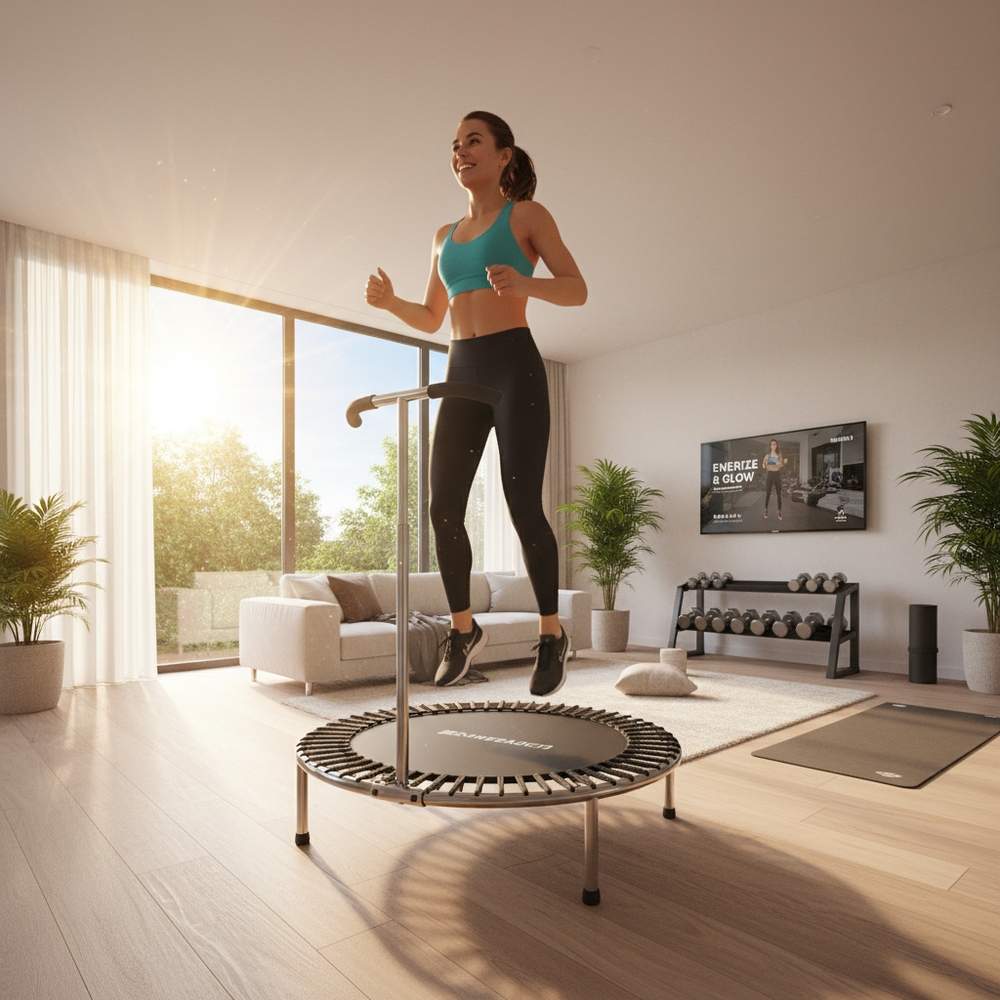
If you think trampolines are just for kids in the backyard, you are missing out on one of the most effective, low-impact fitness trends of 2026. The “mini trampoline,” or rebounder, has exploded in popularity, moving from a niche physical therapy tool to a staple in modern home gyms and luxury fitness studios.
NASA originally studied rebounding to help astronauts regain bone density and muscle mass after returning from space. Their findings were astounding: rebounding is up to 68% more efficient than jogging, yet it places significantly less stress on the joints. Today, fitness experts and biohackers alike champion the rebounder not just for cardiovascular health, but for its unique ability to stimulate the lymphatic system.
In this expert guide, I will break down the science of rebounding, explain what to look for in a professional-grade fitness trampoline, and review the top models available on Amazon to kickstart your home bouncing routine.
1. The Science of the Bounce: Why Rebounding Works
Rebounding is unique because it subjects the body to gravitational changes at the top and bottom of every bounce.
- Zero-Impact Cardio: When you run on a treadmill or asphalt, the shock travels up your shins and knees. A high-quality rebounder absorbs up to 85% of the shock, allowing you to achieve a high heart rate without destroying your joints.
- Lymphatic Drainage: Your lymphatic system flushes toxins and waste from the body, but it doesn’t have a “pump” like the heart. It relies entirely on muscular movement and gravity. The up-and-down motion of rebounding acts as a manual pump, dramatically increasing lymphatic circulation and boosting your immune system.
- Bone Density: The gentle gravitational load (G-force) at the bottom of the bounce signals the body to build stronger, denser bones, making it an excellent exercise for all ages.
2. Springs vs. Bungees: The Great Rebounder Debate
When shopping for a fitness trampoline, the most critical decision is the suspension system.
Steel Springs (The Old School)
- The Feel: Firm, rigid, and fast. Springs provide a very quick “snap” back to the top.
- The Pros: Excellent for high-speed, athletic cardio routines where you need a firm surface.
- The Cons: Louder (squeaky), and harder on the joints over time. Cheaper spring models are notorious for causing knee pain.
Bungee Cords (The Modern Standard)
- The Feel: Deep, silent, and incredibly smooth. Bungees stretch further than springs, providing a longer deceleration phase.
- The Pros: Completely silent (perfect for apartment living), and the lowest possible impact on joints. Ideal for lymphatic drainage and long endurance workouts.
- The Cons: Generally more expensive. The deeper bounce requires more core engagement to stabilize.
3. Top Rated Fitness Trampolines on Amazon
If you are serious about rebounding, do not buy a $40 big-box store mini trampoline. The cheap, stiff springs will ruin your knees. You need commercial-grade suspension.
1. The Pro Choice: JumpSport 250 Fitness Trampoline
JumpSport is the pioneer of the bungee rebounder.
- Why it wins: It uses custom “EnduroLast” elastic cords that provide a beautifully smooth bounce. It has a curved leg design that prevents tipping if you bounce near the edge, and it is whisper-quiet.
- Best for: Daily indoor cardio and joint rehabilitation.
- Get it on Amazon: JumpSport 250 Fitness Trampoline
2. The Heavy Duty: BCAN 40” Foldable Mini Trampoline
For those who want a firmer bounce or need a higher weight limit, this is a phenomenal budget-friendly option.
- Why it wins: It features commercial-grade steel springs covered by an Oxford fabric pad. It also includes an adjustable handlebar, which is crucial for beginners or older adults focusing on balance.
- Best for: High-intensity interval training (HIIT) and users over 250 lbs.
- Get it on Amazon: BCAN 40” Foldable Mini Trampoline with Handle
3. The Premium Luxury: Bellicon Classic (Available via specialized retailers/Amazon)
Bellicon is the “Rolex” of rebounders, made in Germany.
- Why it wins: Completely customizable bungee tensions based on your exact body weight. The build quality is unmatched in the industry.
- Best for: Serious biohackers and luxury home gyms.
4. How to Start a Rebounding Routine
If you are new to rebounding, do not jump in for 30 minutes straight. Your calves and core will be exhausted.
- The “Health Bounce”: Start with just 5 minutes a day. Don’t let your feet leave the mat. Simply push down into the bungees and let them push you back up. This activates the lymphatic system without tiring you out.
- Add Arms: Once comfortable, add light hand weights or vigorous arm swinging to increase your heart rate.
- High Knees: For advanced cardio, perform high-knee sprints on the mat. The instability of the surface forces your core to work twice as hard as running on the floor.
Conclusion
Rebounding is not a fad; it is a scientifically backed, highly efficient method of achieving optimal health from your living room. By investing in a high-quality bungee rebounder like the JumpSport, you protect your joints while maximizing your cardiovascular and lymphatic benefits. Ditch the treadmill and embrace the bounce!